Mile Marker 90-73: Islamorada & Lobster Season in the Florida Keys

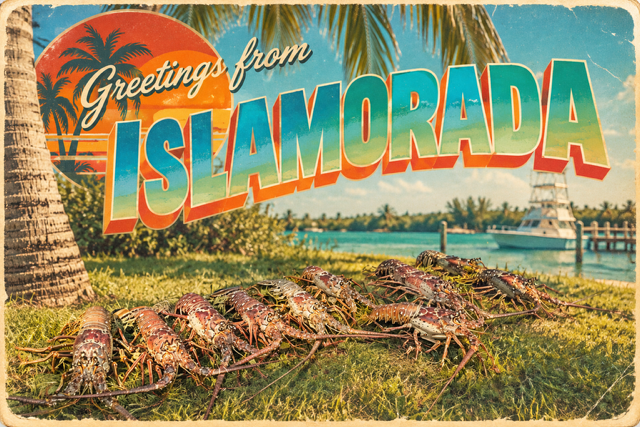
Every summer, the Florida Keys start buzzing with one question: where are the bugs?
In the Keys, “bugs” means Caribbean spiny lobster, the clawless, fast-moving lobster that hides under ledges, in coral heads, along rocky bottom, and around patch reefs. Lobster season is part sport, part tradition, part family ritual, and part Keys history. Boats launch before sunrise. Dive flags dot the water. Coolers get packed, gauges get checked, and everyone from first-timers to lifelong locals talks about tides, visibility, and which reef might be holding.
Islamorada sits right in the heart of that excitement. Known as the Sport Fishing Capital of the World, it also has one of the best setups in the Keys for lobstering: clear ocean water, shallow patch reefs, nearby marinas, experienced guides, and easy access to productive reef lines when conditions are right.

When lobster season happens in the Florida Keys
Florida lobster season has two main parts: the short sport season in July and the regular season that runs from late summer through winter.
The two-day sport season, often called mini-season, takes place on the last consecutive Wednesday and Thursday of July. It brings a rush of visitors to the Keys, especially to popular areas like Key Largo, Islamorada, Marathon, Big Pine Key, and Key West.
The regular lobster season starts August 6 and runs through March 31. This longer season is usually calmer than mini-season and gives divers and snorkelers a wider window to plan around weather, water clarity, and boat traffic.

Rules can change, so always check current Florida Fish and Wildlife Conservation Commission regulations before going. At a minimum, lobster hunters should know these basics:
Lobsters must have a carapace longer than 3 inches.
The lobster must be measured in the water.
Egg-bearing females must be released.
A saltwater fishing license and lobster permit are required unless exempt.
A divers-down flag is required when snorkeling or diving.
Bag limits differ by area, and Monroe County has its own Keys-specific rules.
The Florida Keys are a special place with heavy pressure during lobster season. Good lobstering starts with knowing the law, but it also depends on respect for the reef, other boaters, and the people who live and work on the water.
A short history of lobstering in the Keys
Long before sport divers searched ledges with tickle sticks and nets, spiny lobster was part of life in the Keys. Indigenous people in South Florida harvested marine life from shallow coastal waters for centuries. The Keys offered fish, conch, turtle, lobster, and shellfish in abundance, and shallow flats made much of that harvest possible without modern gear.

Commercial lobstering grew as Keys settlements expanded. By the late 1800s and early 1900s, fishing, sponging, wrecking, and small-scale trade helped shape island communities. Lobster, often called crawfish in the Keys, became one of the region’s important seafood products. Fishermen learned where lobsters moved, where they hid, and how weather affected the catch.
The arrival of the Overseas Railway in the early 1900s, followed later by the Overseas Highway, changed everything. The Keys became more connected to mainland Florida. Seafood could move more easily. Visitors could reach island towns that had once felt remote.

Islamorada’s story carries both beauty and hardship. The name is often linked to “purple island,” and the village grew around fishing, boating, and quiet island life. The 1935 Labor Day Hurricane devastated parts of the Upper Keys, including the Islamorada area, and remains one of the most powerful storms in U.S. history. The community rebuilt, and over time Islamorada became famous for backcountry fishing, offshore charters, diving, and reef exploration.
Today’s lobster season blends that working-waterfront history with modern recreation. The gear is better, the boats are faster, and the rules are stricter, but the basic thrill has not changed much: spot the antennae, work carefully, and try to coax a legal lobster out before it shoots backward into the rocks.
Why Islamorada is such a strong lobster base
Islamorada stretches across several islands in the Upper Keys, including Plantation Key, Windley Key, Upper Matecumbe Key, and Lower Matecumbe Key. Its location puts it close to both oceanside reef habitat and bayside waters, which gives lobster hunters options when wind and visibility change.
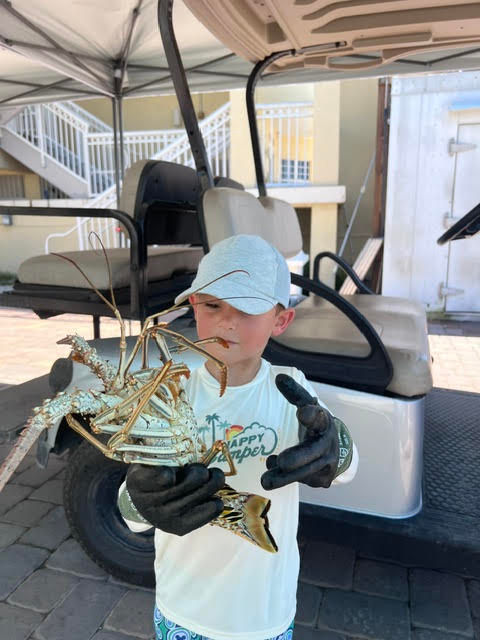
The oceanside gets most of the attention. That is where clear water, reef structure, and patch reefs create classic lobster habitat. Many productive areas are not especially deep, which makes Islamorada appealing for strong snorkelers and newer divers when conditions are safe.
The bayside can also hold lobster around rocky bottom, holes, and scattered structure, though visibility is often more variable. On calm days, the Gulf side can be a good backup when ocean conditions are rough.
Islamorada also has a practical advantage: local knowledge. Charter captains, dive shops, and long-time watermen understand how lobster behavior changes with pressure, tide, and storms. During mini-season, that knowledge matters. Lobsters in easy spots get found quickly. Better catches often come from patience, careful searching, and knowing when to move.

Gear that makes the day easier
Lobstering does not require complicated gear, but the right setup makes a big difference. Most recreational lobster hunters use a mask, snorkel, fins, gloves, a tickle stick, a hand net, and a legal measuring gauge.
A typical setup includes:
Mask, snorkel, and fins
Clear vision and efficient swimming matter, especially when current is moving.
Lobster gauge
Keep it handy. The lobster must be measured before it goes into the bag.
Tickle stick
This thin rod helps gently guide the lobster out of a hole.
Hand net
Place it behind the lobster because spiny lobster swim backward.
Gloves
Lobsters are spiny, and reef rock is sharp. Gloves protect hands, but they do not give permission to grab coral.
Mesh catch bag
Use one that closes securely, since lobster can kick and twist hard.
A good boat setup matters too. Bring plenty of water, sunscreen, a first aid kit, working navigation lights if you may return late, and a properly displayed divers-down flag. In busy areas around Islamorada, boat traffic can be heavy. The flag is not decoration. It tells other boaters people are in the water.
How to find lobster without damaging the reef
Spiny lobster are built for hiding. During the day, they tuck under ledges, coral heads, bridge rubble, rock piles, and holes. The easiest clue is the antennae. Look for two long, banded antennae sticking out from dark crevices.
Move slowly. Many beginners swim too fast and miss the best spots. A good search pattern looks almost lazy. Glide, stop, look into every shadow, then move again.
Lobsters often gather in groups. If one legal lobster comes out of a ledge, check the same structure again. There may be more inside.
The cleanest technique is simple:
Spot the lobster and confirm it is not carrying eggs.
Position the net behind the lobster.
Use the tickle stick to touch or guide it from the front.
Let the lobster back into the net.
Secure it, measure it in the water, and release it if it is short.
Never break coral, move live coral heads, or jam gear deep into fragile habitat. Much of the Keys reef tract is stressed by heat, storms, disease, and heavy use. A legal lobster is not worth damaging reef that took years to grow.
Best catch areas around Islamorada
Islamorada has many areas that can produce lobster, but “best” depends on weather, water clarity, depth, current, and legal access. Some well-known reef areas sit inside or near protected zones, so always confirm whether harvest is allowed before entering the water.
Oceanside patch reefs
For many recreational lobster hunters, the oceanside patch reefs are the classic Islamorada option. These reefs often sit in manageable depths and offer the mix of ledges, holes, seagrass edges, and hard bottom that lobster like.
Look for broken bottom rather than flat sand. Lobsters need cover. The most productive patches often have small caves, undercut rocks, or coral heads with shadowed openings.
Known reef names in the Islamorada area, such as Alligator Reef and nearby patch reef systems, attract attention. Some zones near famous reefs may have restrictions, and Sanctuary Preservation Areas can prohibit taking marine life. Use current charts from the Florida Keys National Marine Sanctuary and FWC before planning a stop.
Edges of legal reef structure
Lobsters often sit along the transition between reef and sand. These edges are easier to search because the water is brighter and the bottom changes clearly. Swim parallel to the edge and scan ahead.
This type of habitat can be especially good after pressure has pushed lobster out of obvious holes. They may tuck into smaller cracks nearby rather than the large, easy-to-see ledges everyone checks first.
Bayside rocky bottom and scattered structure
The Florida Bay side of Islamorada can be productive, especially when ocean winds make the Atlantic side uncomfortable. Bayside lobstering often rewards local knowledge because the bottom is less visually dramatic than the reef tract.
Look for rock piles, holes, and hard-bottom patches near grass beds. Visibility may be lower, so move carefully and avoid stirring up sediment. If the water is too murky to see clearly, choose safety over the catch.
Guided trips and charter knowledge
For visitors, a local charter can turn a confusing day into a good one. Guides know legal areas, safe anchoring practices, and how to read conditions. They also help beginners learn how to handle lobster without harming the reef or themselves.
Charters are especially useful during mini-season, when crowds are high and easy spots get worked early. A good captain will not promise limits, but they can improve the odds of a safe, well-planned trip.

Mini-season in Islamorada needs extra planning
Mini-season is exciting, but it is also crowded. Boat ramps fill early. Rental gear can sell out. Popular spots may have several boats nearby before the sun is high.
Planning ahead helps keep the day fun:
Book lodging, dockage, and charters early.
Check boat ramp access and parking before dawn.
Review regulations the night before.
Bring backup spots in case your first choice is crowded.
Watch the weather, especially wind and storms.
Keep a respectful distance from other divers and boats.
The mood during mini-season can be festive, but crowding creates risk. Slow down near dive flags. Do not anchor on coral. Do not rush another boat’s spot. The Keys are narrow, and the water feels smaller when everyone is chasing the same season.
Tips for cooking your catch
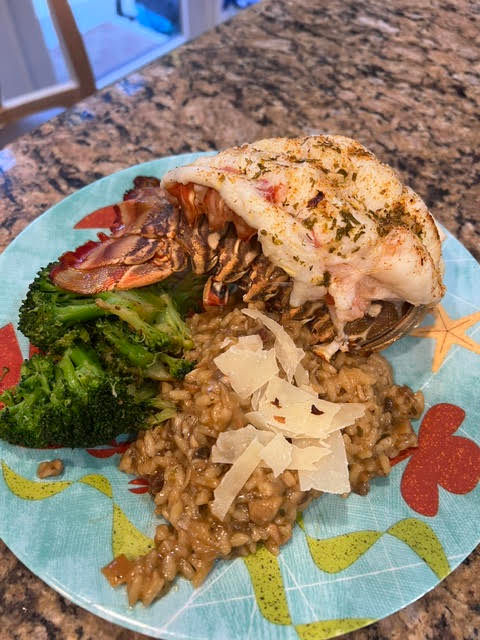
Fresh Florida spiny lobster has sweet, firm tail meat. It does not need much help. Many locals keep it simple: split tails, a little butter or olive oil, garlic, lime, salt, and a hot grill.
Good options include:
Grilled lobster tails with lime butter
Lobster tacos with cabbage and citrus crema
Lobster salad with celery, lemon, and herbs
Butter-poached lobster over rice or pasta
Blackened lobster bites in a cast-iron pan

Avoid overcooking it. Spiny lobster can turn tough fast. Cook just until the meat turns opaque and firm.
If you are staying in Islamorada, check whether your rental or marina allows fish cleaning and cooking. Dispose of shells and scraps properly. Leaving seafood waste around docks brings odor, pests, and unhappy neighbors.
Respect is part of the tradition
Lobster season in the Florida Keys is about more than filling a bag. It connects modern visitors with old island skills: reading the water, knowing the bottom, handling seafood, and respecting limits.
Islamorada adds its own character to that tradition. It has fishing history, reef access, a strong boating culture, and a community that depends on healthy water. The best lobster hunters understand that every legal catch comes with responsibility.
Take only what you can use. Release shorts quickly. Leave egg-bearing females alone. Give other boats room. Treat coral as living habitat, not a handhold. Those habits keep the season worth celebrating.

The takeaway for a better Islamorada lobster trip
The best lobster days start before anyone gets in the water. Know the season dates, check the current rules, pick legal areas, watch the weather, and bring the right gear. Once you are on the reef, slow down. Look for antennae, work the ledges gently, and let patience do more than force.
Islamorada is one of the great home bases for Florida Keys lobstering because it combines history, access, and clear-water adventure. Treat the place well, and lobster season becomes more than a harvest. It becomes a true Keys experience.


Comments