Mile Marker 90: Tarpon 1973 Documentary, Islamorada Fishing and Florida Keys Conservation

A silver tarpon rolling beside a skiff can stop a conversation mid-sentence. The fish appears, breathes air at the surface, flashes like polished metal, then disappears into green water. That combination of power, mystery, and patience is why tarpon have held Florida Keys anglers for generations.
It is also why the 1973 documentary Tarpon still matters.
Filmed in and around the Florida Keys during a very specific moment in angling culture, Tarpon became more than a fishing film. It captured writers, guides, water, weather, obsession, humor, and the strange pull of a fish that people chase for years without ever feeling as if they fully understand it. Today, the film has a cult following because it feels both handmade and timeless. It belongs to the Keys, but its reach runs up the coast to Palm Beach and beyond.
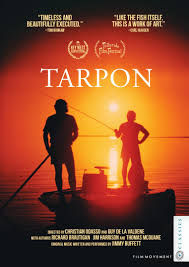
The 1973 film that turned tarpon fishing into folklore
Tarpon was filmed in the Florida Keys in 1973, a time when the islands still felt remote, eccentric, and a little wild. Long before fishing content became polished and constant, the film offered something looser and more personal. It lingers on the rituals of the chase: the boats, the tides, the guides, the beers, the silence, the sudden violence of a hooked fish.

The film is closely tied to the literary and sporting culture of Key West in that era. It is known for its cast of writers and anglers, including figures such as Jim Harrison, Thomas McGuane, Richard Brautigan, and others associated with the Keys’ creative circles. Jimmy Buffett’s music is also part of the film’s lasting atmosphere, giving it the feel of a place remembered through sound as much as image.
What makes Tarpon unusual is that it does not feel like a simple outdoor documentary. It is not just about catching fish. It is about the mood around the chase. The downtime matters. The light matters. The odd conversations matter. The fish, when they appear, feel almost mythic.

That is why the film still draws new viewers. It records a version of the Keys that many people imagine but few actually saw. The roads were quieter. The boats were simpler. The culture around guiding, writing, and fishing overlapped in a way that now feels almost impossible to recreate.
For anyone exploring Tarpon 1973 Documentary History, Islamorada Fishing and Florida Keys Conservation, the film is a natural starting point. It shows the romance of tarpon fishing before the modern era of GPS marks, instant video, and constant online reports. It reminds viewers that the heart of this sport has always been observation, patience, and respect for the fish.
Diana Odasso and the Palm Beach to Key West connection
The film’s story did not end in the 1970s. Its afterlife continues through screenings, conversations, and the people connected to its making.

In 2026, Diana Odasso met with The Mile Marker's Taylor Materio and together arranged to screen Tarpon at the Historical Society of Palm Beach County. Her father, Christian Odasso, was one of the filmmakers behind the documentary, and her role in sharing the film helps keep that history alive for a new audience.
That West Palm Beach screening also strengthens a connection that has long existed in Florida culture: the line between the Palm Beaches and Key West. The two places can feel very different on the surface. Palm Beach area is associated with grand homes, social history, and old Florida elegance. Key West carries a reputation for writers, fishermen, artists, and island independence.
Yet the water connects them. So do the people who travel between them, the families who preserve Florida stories, and the anglers who understand that the state’s coastal identity is not held in one town alone.
The Historical Society of Palm Beach County was a fitting place to revisit the film. A documentary about tarpon in the Keys is also a documentary about Florida’s relationship with the sea. Screening it here placed the Keys story inside a broader state history, one that includes sport, art, migration, conservation, and memory.

Why tarpon became part of the Florida Keys allure
Tarpon are often called the silver king, and the name fits. A large tarpon can stretch well over 6 feet, leap repeatedly, shake its head in the air, and test both tackle and nerves. Yet the appeal goes beyond size.

Tarpon fishing asks anglers to read the water. Fish may roll at the surface, slide along a channel edge, move over a flat, or gather near bridges and passes. A perfect cast can still be refused. A sloppy moment can still lead to a hookup. The fish keep people humble.
In the Florida Keys, the tarpon’s seasonal movement became part of island life. Guides watched tides and moon phases. Visiting anglers planned trips around spring and summer runs. Bait shops, marinas, lodges, and restaurants all felt the pull of the season.
The tarpon also helped shape the Keys’ identity as a place where fishing is not one activity among many. It is part of the reason people come.
That last point matters. Modern tarpon fishing has moved strongly toward conservation-minded practices. Catch and release has become a central ethic, especially for large tarpon. The goal is no longer to prove success with a dead fish at the dock. The better story is a clean fight, careful handling, a strong release, and a memory that does not cost the resource its future.
Islamorada remains one of the great fishing destinations
Islamorada has earned its reputation as one of the great fishing communities in the Florida Keys. Set between Florida Bay and the Atlantic Ocean, it gives anglers access to a remarkable mix of habitats in a relatively compact area.
On one side are backcountry waters, mangrove shorelines, flats, channels, and sheltered bays. On the other side are reefs, blue water, wrecks, and offshore grounds. That geography is why Islamorada can support so many styles of fishing.
It is also why good guides matter.
Local guides do more than run a boat. They read weather, tide, season, water clarity, bait movement, and pressure from other boats. They know when to pole quietly, when to move, when to wait, and when the best fishing plan is to accept the conditions instead of fighting them.
Captain Bou Bosso, of Capt. Bou Charters, is a favorite fishing guide we have worked with in the Keys. Guides like Captain Bou help visitors understand the difference between simply going fishing and learning the water. That difference can shape the whole experience, especially in Islamorada, where conditions can change quickly and each type of water asks for a different approach.

Backwater and flats fishing feel different from sport fishing
Visitors sometimes use the phrase “Florida Keys fishing” as if it means one thing. It does not. A quiet morning in the backcountry feels very different from a sport fishing trip offshore.
Backwater and flats fishing are often intimate. The boat is smaller. The water is shallower. The pace is slower. Silence helps. A guide may pole the skiff instead of running the engine. Anglers scan for movement, tails, shadows, pushes, and the gentle roll of fish breathing at the surface.

This style of fishing rewards calm attention. It can feel almost meditative.
Sport fishing offshore has a different rhythm. The boats are larger. The water is deeper. Anglers may troll, live bait, kite fish, or work structure for pelagic and reef species. The day often covers more miles, and the gear tends to be heavier.
Both styles are valuable. Both require skill. Still, they offer different emotional experiences.

Backwater and flats fishing
Quiet, shallow, visual, tide-driven, often done from skiffs around mangroves, flats, and channels.
What anglers notice
Light, water clarity, shadows, wakes, bird movement, current seams, and small signs of fish activity.
The mood
Calm, patient, and close to the water.
Offshore sport fishing
Open-water, distance-based, often using larger boats and heavier tackle near reefs, wrecks, and blue water.
What anglers notice
Temperature breaks, bait schools, weed lines, birds, structure, depth, current, and offshore conditions.
The mood
Active, mobile, and often more physically demanding.
For tarpon, the backwater and flats experience can be especially powerful. The fish are not abstract marks on a screen. You may see them before you cast. You may watch them refuse the fly or bait. You may see the take happen in clear water. That visual connection is part of what keeps anglers coming back.
Conservation changed the meaning of a successful catch
The old fishing culture often celebrated harvest. Photos of large fish hanging at docks were once common across Florida. Over time, tarpon anglers, guides, scientists, and conservation groups helped shift the standard.
Today, the most respected tarpon fishing is usually catch and release.
That shift matters because tarpon grow slowly, migrate widely, and hold great value as a living sport fish. A released tarpon can support future generations of anglers. It can remain part of the ecosystem. It can return to the mystery that made the fight meaningful in the first place.
Conservation-minded tarpon fishing often includes:
Using tackle strong enough to shorten the fight
Keeping large tarpon in the water when possible
Avoiding unnecessary handling
Reviving the fish before release
Following current state regulations
Respecting spawning behavior and migration patterns
Listening to guides who know local best practices
Catch and release does not remove all responsibility from the angler. A poor release can still harm a fish. That is why education has become a major part of modern Keys fishing culture.
The best guides now serve as teachers as much as captains. They explain why boat distance matters on a flat, why too much pressure can shut down fish, and why a clean release is part of the accomplishment.
The modern trophy is not a fish on a dock. It is a healthy release, a clear memory, and a reason to return.

The Florida Keys fishery changes throughout the year. Weather, water temperature, bait movement, migration, and spawning cycles all influence what anglers are most likely to encounter.
Captain Bou Bosso’s website includes a seasonality chart for catching specific Florida Keys fish. This kind of chart is useful because it helps visitors match expectations to the calendar. It can also help anglers choose between tarpon, bonefish, permit, snapper, grouper, sailfish, mahi, and other target species depending on the month.
A seasonal chart should never be treated as a guarantee. It is a planning tool. The Keys reward flexibility. Some of the best fishing days happen when anglers adjust to what the water offers instead of forcing a plan that looked good weeks earlier.

The calm is part of the catch
The cult appeal of Tarpon comes partly from the fish, partly from the people, and partly from the quiet. The film understands that tarpon fishing is filled with pauses. Those pauses are not empty. They are where the Keys reveal themselves.
A skiff sliding through mangroves at first light. A guide watching a slick line of current. A school of fish appearing and vanishing. The strange mix of hope and acceptance after a refusal. These are the things that separate tarpon fishing from simple recreation.

Islamorada, Key West, Palm Beach, and the broader Florida coast all share in that story. Diana Odasso’s 2026 screening at the Historical Society of Palm Beach County helped bring one chapter of it back into public view. Captain Bou Bosso and other working guides carry the living version of the story on the water every day.
The 1973 documentary endures because it captured something true. Tarpon fishing is thrilling, but it is also reflective. It is sport, art, patience, and place. The best future for it will depend on the same values that now guide the best days on the flats: respect the water, protect the fish, and leave the Keys better than you found them.


Comments