Palm Beach to Key West Henry Flagler Jimmy Buffett and Old Florida Luxury

The road from Palm Beach to Key West is more than a pretty drive south. It is one of Florida’s great stories, a route shaped by railroad ambition, resort glamour, island rebellion, and the kind of luxury that still likes a little salt air on its linen.
Palm Beach and Key West can seem like opposites at first glance. Palm Beach is polished, historic, and manicured. Key West is looser, brighter, and proudly offbeat. Yet they have been connected for more than a century by the same forces: Henry Flagler’s dream of opening Florida by rail, the romance of winter escape, the pull of the ocean, and a certain Old Florida confidence that never tries too hard.
That connection runs both directions. Flagler’s empire pushed from Palm Beach toward the Keys. Decades later, Jimmy Buffett helped turn Key West into a state of mind, then spent part of his later life in the Palm Beach orbit. Between them sits a story of grand hotels, pastel style, tropical ease, and the enduring idea that Florida luxury feels best when it remembers where it came from.

Henry Flagler connected Palm Beach to the Keys before the highway did
Henry Flagler did not simply visit Florida. He remade it.
By the late 1800s, Flagler had helped build Standard Oil and then turned his attention south. Florida was still hard to reach, especially for wealthy Northerners seeking winter warmth. Flagler saw what others missed: if he could bring people down by rail, he could build the hotels, towns, and services they would need when they arrived.
Palm Beach became one of the jewels of that vision. Flagler extended his Florida East Coast Railway down the Atlantic side of the state and developed the area into a winter resort destination. He built grand hotels, including the Royal Poinciana Hotel and the Palm Beach Inn, which later became known as The Breakers. He also built Whitehall, his Gilded Age home, now the Flagler Museum.
Palm Beach luxury began with transportation. The train made the place accessible. The hotels made it desirable. The ocean made it unforgettable.
Then Flagler looked farther south.
His most daring project was the Overseas Railroad, which extended the Florida East Coast Railway across the water to Key West. Completed in 1912, it was hailed as an engineering wonder. The line crossed open water, mangrove flats, and islands that had once felt remote even by Florida standards.

Key West mattered because of its harbor and its position near shipping routes. Flagler believed it could become a major gateway to trade, especially with the Caribbean and Latin America. The railroad tied the island to the mainland in a way that had never happened before.
The great irony is that Flagler’s railroad to Key West had a short life. The Labor Day Hurricane of 1935 severely damaged the line in the Upper Keys, and the railroad was not rebuilt. Much of the route later helped shape the Overseas Highway, the road travelers still take today.
So when people drive from Palm Beach to Key West, they are not just taking a vacation route. They are moving through the remains of Flagler’s imagination. See the Mile Marker post on Pigeon Key to learn about where the railway works lived during construction.


The Kennedy Family: A Connection Between Palm Beach and Key West
The Kennedy family's ties to both Palm Beach and Key West illustrate the enduring allure of these two iconic Florida locales. The family's presence in Palm Beach dates back to the early 1960s when President John F. Kennedy and his family vacationed at the estate of family friend and Palm Beach resident, Charles T. McCarthy. This connection solidified Palm Beach's status as a winter retreat for the elite.
Key West, on the other hand, held a special significance for the Kennedy family, particularly for President Kennedy. He often visited the island during his presidency, drawn to its relaxed atmosphere and natural beauty. The Kennedy Compound in Hyannis Port, Massachusetts, was a place of family gatherings, but the allure of Key West provided a different kind of escape, one that was less formal and more in tune with nature.
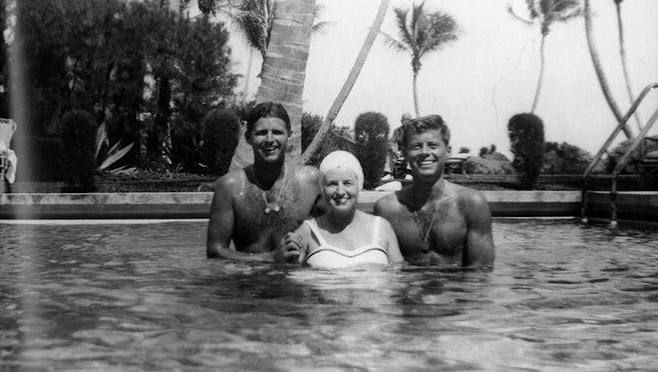
In addition to the historical significance, the Kennedy family's connection to these locations also highlights the contrasting lifestyles they represent. Palm Beach is synonymous with opulence and high society, while Key West embodies a more laid-back, bohemian spirit. This duality reflects the broader narrative of Florida as a destination that caters to diverse tastes and preferences.

Moreover, the Kennedy family's legacy in both locales continues to influence tourism and culture. The Palm Beach estate, often referred to as "the Kennedy compound," remains a symbol of political power and social status, while Key West celebrates its connection to the Kennedy family through various events and commemorations, including the annual Key West Literary Seminar, which honors the literary contributions of the family.
Palm Beach glamour and Key West ease share the same Old Florida roots

Casa Marina is one of Key West’s great Flagler-era echoes
No Key West hotel captures this history quite like Casa Marina.
The famed Casa Marina opened in 1920, after Flagler’s death, but its story is tied to the world he created. It was developed during the era of the Florida East Coast Railway’s reach to Key West and has long been associated with the grand resort culture that followed the railroad south.
Casa Marina sits on the Atlantic side of Key West, away from the loudest parts of Duval Street but close enough to feel connected to the island’s social life. It has the bones of a classic resort: broad spaces, ocean frontage, and a sense of arrival that recalls the early 20th century.
For Palm Beach travelers, Casa Marina can feel surprisingly familiar. Not because it copies Palm Beach, but because it speaks the same language.
There is scale without coldness. There is history without feeling locked in a museum. There is a kind of tropical formality softened by sand, palms, and the casual pace of the Keys.
The hotel also sits within a part of Key West that lets visitors feel the island beyond the postcard. From there, the water is close, Old Town is nearby, and the Southernmost Point area is within easy reach. It places luxury next to texture, which is exactly what makes Key West work.
Casa Marina also belongs to a broader story of hotels as anchors. Flagler understood that transportation alone was not enough. People needed places that made the journey feel worth it. Palm Beach had its grand hotels. Key West gained its own resort landmarks. Casa Marina remains one of the clearest bridges between those worlds.
Jimmy Buffett carried Key West north to Palm Beach
If Flagler represents the grand builder’s version of Florida, Jimmy Buffett represents the mythmaker’s version.
Buffett did not invent Key West’s personality, but he helped broadcast it to the world. He arrived in Key West in the early 1970s and absorbed the island’s blend of sailors, writers, drifters, artists, bartenders, and sun-seekers. That world shaped the songs that made him famous.
Buffett’s Key West was not the same as Flagler’s Key West. It was less about ports and railroads, more about escape, humor, heartbreak, and finding freedom near the end of the road. His music turned the island into an emotional destination. Even people who had never been to Key West could picture the bars, the boats, the sunsets, and the beautiful mess of tropical life.
Later, Buffett also spent time living in the Palm Beach area. That detail brings the story full circle. The Key Wester who helped define island casual eventually had a foot in the more polished world of Palm Beach. It makes sense. Buffett’s version of luxury was never stiff, but it was still luxury: good boats, good houses, good views, and the privilege of choosing a slower rhythm.
His connection to both places says something about South Florida itself. Palm Beach and Key West may dress differently, but they both attract people who want reinvention by the water.
Buffett’s presence also softened the old boundary between serious resort culture and barefoot ease. In earlier generations, Palm Beach set the tone for elite winter escape. Buffett gave American travelers another fantasy: the idea that escape could be funny, musical, sunburned, and still aspirational.
That is why his story fits so naturally beside Flagler’s. Flagler built the route. Buffett gave the destination a soundtrack.

The modern Keys have become Palm Beach’s tropical backyard
For many Palm Beach residents and visitors, the Keys offer a different kind of escape without leaving the Florida story behind.
Key West is not exactly close in the casual sense. The drive takes commitment. Yet culturally, it feels like the natural southern end of the Palm Beach fantasy. Start with grand hotels, historic estates, and Atlantic beaches. Follow the coastline south. Cross the bridges. Arrive somewhere looser, saltier, and more theatrical.
The best version of this luxury does not try to turn Key West into Palm Beach. It lets Key West remain Key West. That is the key.
Palm Beach charm comes from intention. Key West charm comes from personality. When modern hospitality blends the two, the result can be special: polished service, beautiful rooms, strong food, and a setting that still feels like a real island with a past.
Casa Marina is part of that appeal, but it is not alone. Across Key West, the most memorable places lean into history, porches, gardens, shutters, tile, and ocean air. They understand that old buildings and tropical imperfection are not problems to hide. They are the reason people come.
The strongest connection is the dream of escape
Flagler, Buffett, and many others may others shaped the mythology of Florida escape.
Flagler gave Florida structure. His railroads and hotels turned remote or seasonal places into destinations. He made Palm Beach luxurious and Key West reachable.
Buffett gave Key West feeling. He turned island life into music and made a weathered, humorous, pleasure-seeking version of Florida part of American culture.
Together, they explain why the line between Palm Beach and Key West still matters. One is not simply a starting point and the other an endpoint. They are two expressions of the same long-running desire: to live beautifully near the water, to trade cold formality for warmth, and to let place shape the pace of life.
That is the real story behind Palm Beach to Key West Henry Flagler Jimmy Buffett and Old Florida Luxury. It is a story of tracks, bridges, hotels, songs, dresses, porches, and palms. It moves from Gilded Age ambition to island music, from railcars to convertibles, from grand dining rooms to open-air bars.

The journey still works because both places protect a version of Florida that people do not want to lose. Palm Beach reminds us that elegance can be rooted in history. Key West reminds us that charm needs freedom. Between them runs one of the most evocative routes in America, built by ambition, colored by style, and set to a song that still seems to drift in from the end of the road.


Comments